Significantly improved welding efficiency
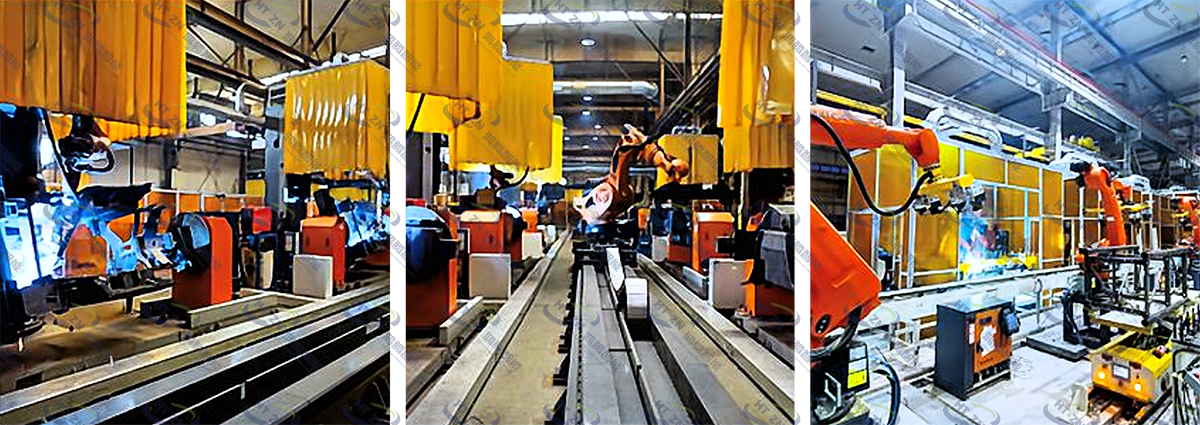
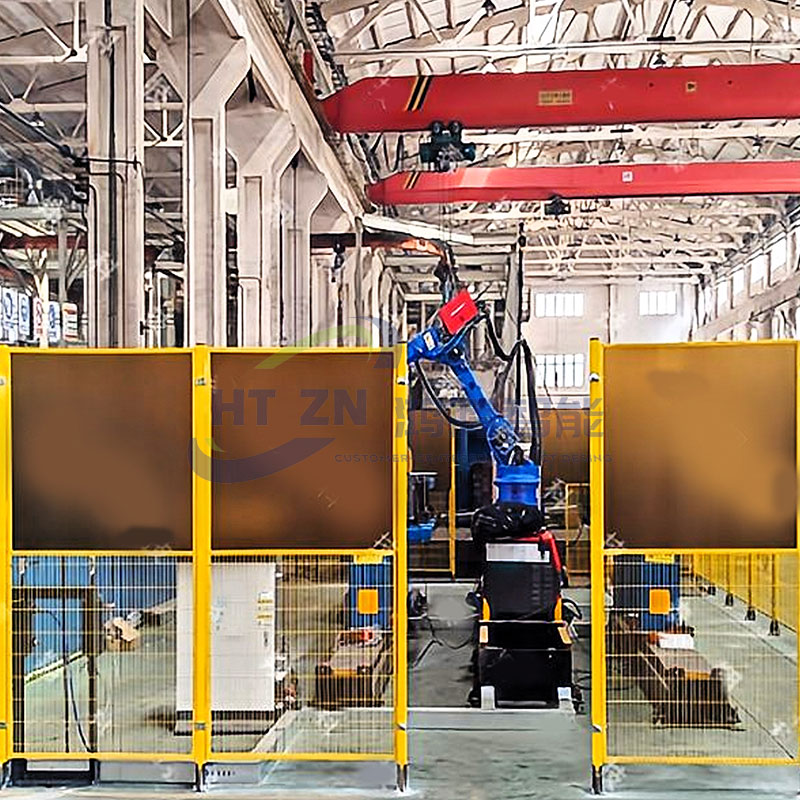
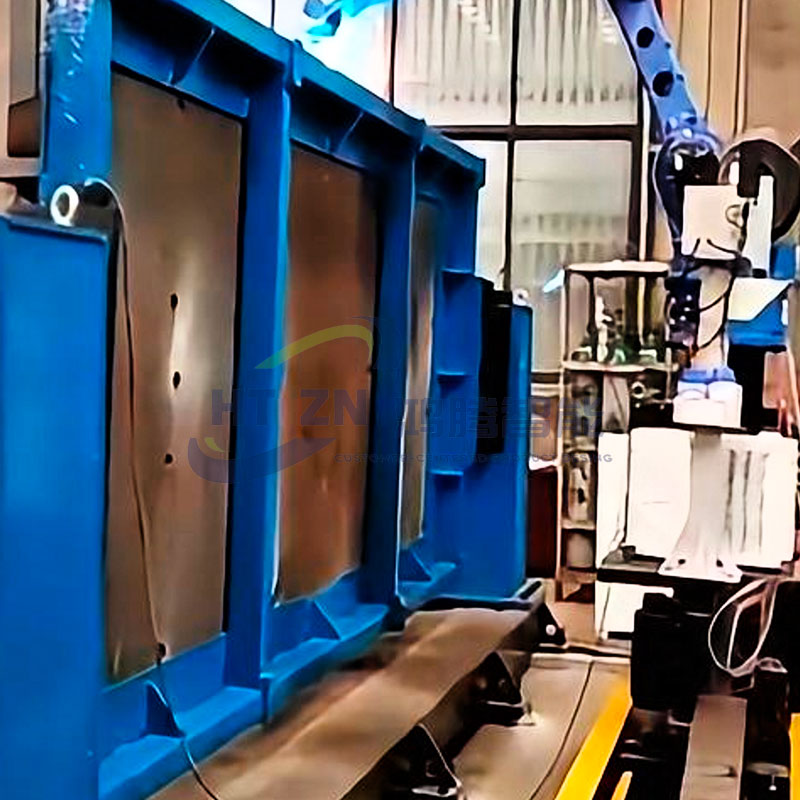
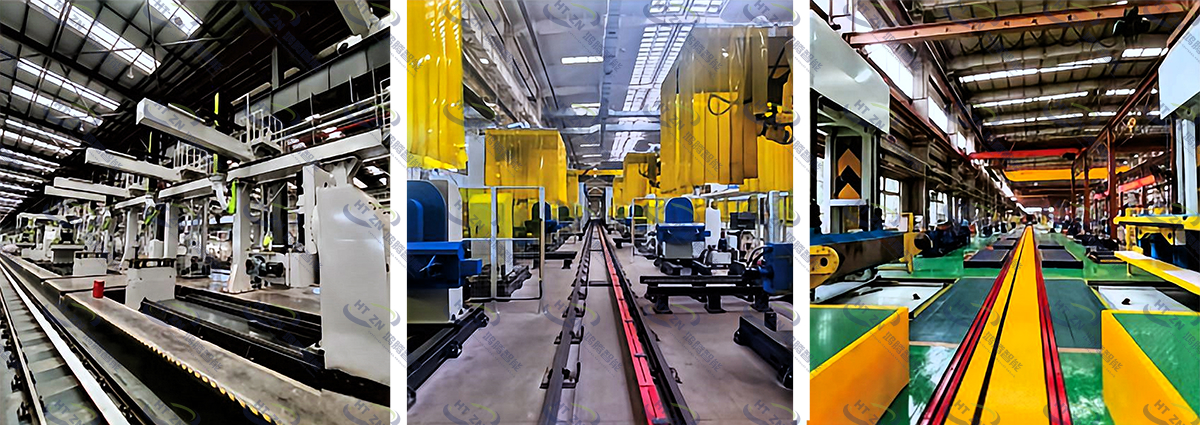
1. The floor track extends the robot's working range, enabling continuous welding of long weld seams (e.g., over 10 meters) or large workpieces without frequently moving the workpiece, avoiding the downtime and adjustment time of traditional segmented welding. Welding efficiency is improved by 30%~50% compared with fixed robots.
2. Supports multi-station coordination: the floor track can be paired with a rotary table to enable parallel “welding + clamping” operations (while the robot welds at one end of the track, workers clamp workpieces at the other end), reducing equipment idle time and shortening the overall production takt time by 20%~30%.
Ensuring welding quality stability
1. The high-precision linkage between the robot and the floor track ensures weld seam trajectory deviation ≤0.2mm, with minimal fluctuation in welding parameters (such as heat input), avoiding defects such as incomplete fusion, undercut, and weld buildup caused by manual welder fatigue and skill differences. The weld acceptance rate can reach over 99%.
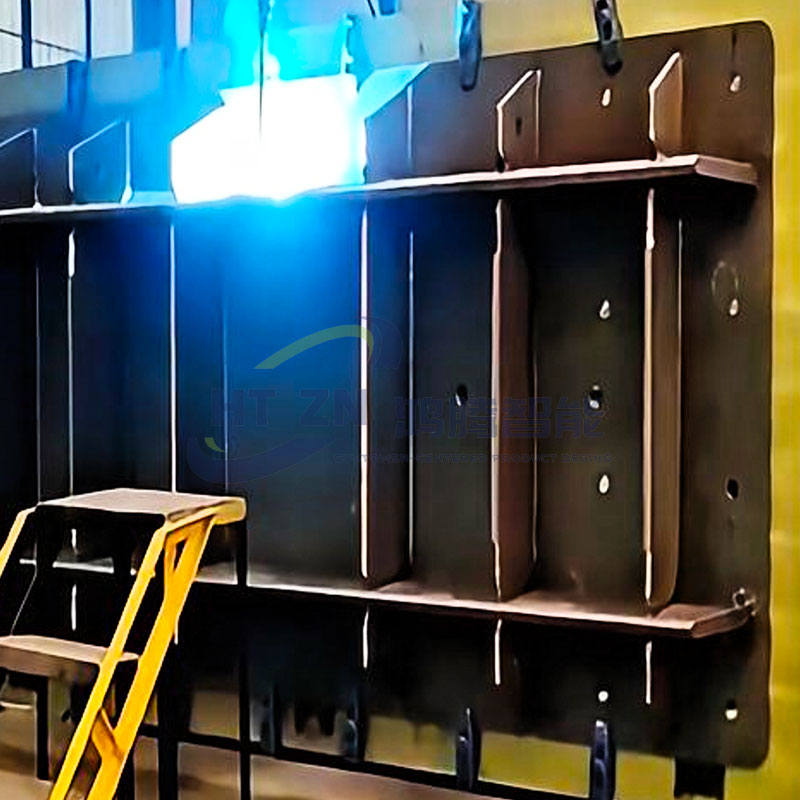
2. For multi-layer multi-pass welding of thick plates, the system can automatically plan inter-layer trajectories and precisely control the penetration depth of each layer, ensuring joint strength (for example, the tensile strength compliance rate of load-bearing welds on construction machinery frames is improved by 15%).
Enhanced production flexibility
1. The track length can be customized according to workpiece size (from several meters to dozens of meters). Combined with the robot's multi-axis motion, it can adapt to the welding needs of workpieces in different specifications (such as pressure vessel shells, wind power flanges, and automotive frames). Changeover only requires modifying the program without adjusting hardware, reducing changeover time to within 1 hour.
2. Supports hybrid welding processes: the same workstation can switch between MIG, TIG, laser welding, and other processes to meet the welding needs of dissimilar materials (such as steel and aluminum alloy).
Reduced labor costs and labor intensity
1. Replaces manual labor for long-distance, high-altitude (such as steel structure plant beams), or high-risk (such as pressure vessel inner walls) welding operations, reducing workers' exposure to high temperatures, arc light, and fumes, and lowering occupational health risks.
2. Reduces dependence on senior welders: with preset programs and vision guidance, ordinary operators can complete the welding of complex workpieces, reducing labor training costs by 50%.